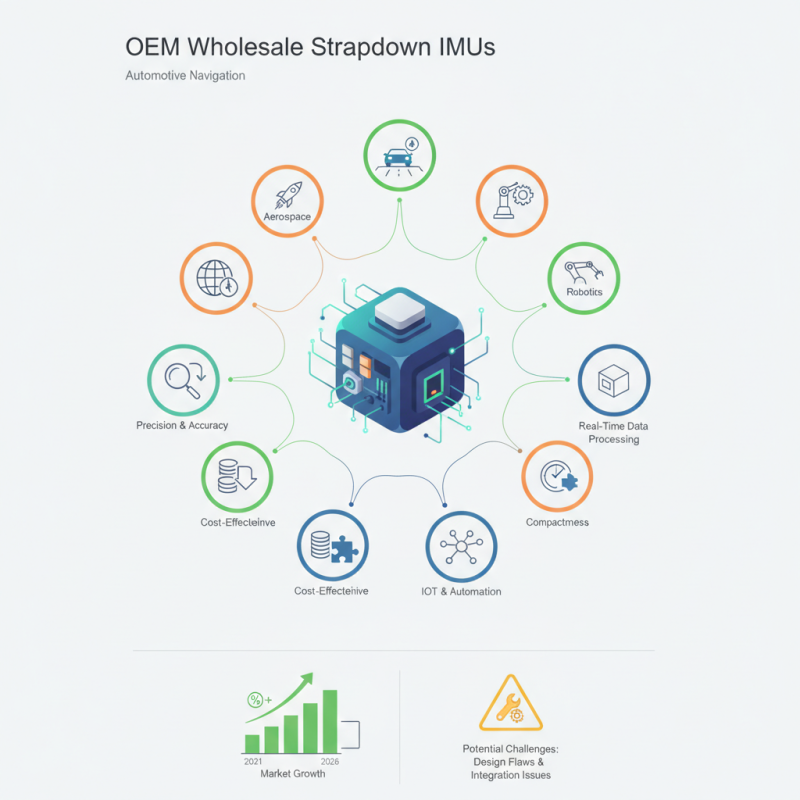
In today’s world, where precision and reliability really matter, the Strapdown IMU (Inertial Measurement Unit) has become a really important part of all sorts of high-tech applications. Industry reports are suggesting that the global IMU market is expected to grow at about 7.5% annually between 2021 and 2026, mostly driven by breakthroughs in automation and IoT tech. OEMs offering wholesale Strapdown IMUs are riding this wave, providing solutions that make navigation more accurate and quick—whether it’s in aerospace, cars, or robotics.
What’s interesting is that recent studies show Strapdown IMUs are actually better than traditional systems when it comes to being compact and budget-friendly. They can be smoothly integrated with other tech, which is super important when you need real-time data processing. Big names like Honeywell and Analog Devices are leading the charge, but honestly, a lot of companies still find it tough to pick the right IMU for their specific needs. There are also some potential headaches with design flaws and integration hiccups, so it’s definitely something to keep in mind.
While jumping on the Strapdown IMU bandwagon can give you some serious perks, it’s not just a benefits-fest—you gotta be cautious. As the International Journal of Engineering points out, it's a good idea to thoroughly test and analyze performance before making a big investment to avoid costly mistakes. The advantages are definitely compelling, but understanding the possible pitfalls is key to fully taking advantage of what Strapdown IMUs can do.
Overview of OEM Wholesale Strapdown IMU Technology
The OEM wholesale strapdown IMU technology has transformed various modern applications.
This Inertial Measurement Unit (IMU) provides precise orientation and motion sensing. Its compact design allows integration into multiple platforms, from drones to robotics. This versatility supports industries like aerospace, automotive, and consumer electronics.
Strapdown IMUs utilize advanced algorithms to convert raw sensor data into actionable insights. They excel in environments where GPS signals may be weak or unavailable. Consider using strapdown IMUs in autonomous vehicles, where accurate positioning is crucial. The data helps in navigation and improves safety by enabling real-time decision-making.
Tip: When choosing an OEM strapdown IMU, assess the performance metrics that matter most for your application. Understanding the specifications, like noise levels and drift rates, is essential. Also, ensure compatibility with your existing systems. Integrating strapdown IMUs efficiently can streamline processes and enhance overall performance.
Quality matters. Not all strapdown IMUs are created equal. Evaluate the vendor's experience and credibility in the market. A well-researched choice guarantees reliability and supports your project's success.
Key Technical Features of Strapdown IMUs
Strapdown Inertial Measurement Units (IMUs) are essential in various modern applications. Their design features a compact structure that allows for efficient integration. This makes them ideal for situations where space and weight are critical factors. They offer enhanced accuracy and reliability compared to traditional IMUs. A Strapdown System continuously measures angular velocity and linear acceleration. This real-time data is crucial for navigation and motion tracking.
Many industries benefit from the use of strapdown IMUs. Aerospace, automotive, and robotics are notable examples. These devices provide robust data under challenging conditions. For instance, they can withstand extreme temperatures and vibrations. Importantly, the ease of integration with existing systems enhances their appeal. They can be incorporated seamlessly into both new and existing technologies.
Tips for selecting a strapdown IMU include considering environmental factors. Assess the specific requirements of your application to ensure compatibility. Another critical aspect is the data output rate. Ensure it meets the real-time processing needs of your system. Remember to evaluate the calibration procedures to maintain high accuracy over time. This reflective practice can save significant time and resources in future applications.
Top 10 Benefits of OEM Wholesale Strapdown IMU for Modern Applications
Advantages of OEM Manufacturing in Strapdown IMUs
OEM manufacturing plays a crucial role in the development of strapdown IMUs. These devices are essential for various modern applications, including aerospace, automotive, and robotics. By opting for OEM wholesale solutions, businesses can leverage expertise embedded in these technologies. The reliability of OEM components often outshines that of generic options, leading to superior performance.
Quality control is another vital consideration. OEM manufacturers maintain high standards throughout the production process. This ensures each strapdown IMU meets industry requirements. Moreover, the scalability offered by OEM producers allows for customized features in Strapdown Navigation systems, catering to specific project needs. It is important, however, to weigh the pros and cons of customizations, as they may involve increased costs and longer lead times.
The partnership between OEM providers and clients often fosters innovation. Sharing insights can lead to enhanced designs and improved functionality. Yet, it requires a balance. Companies must not solely depend on OEM partners for new technological advancements. A proactive approach in research and development, alongside OEM collaboration, enhances the effectiveness of strapdown navigation solutions. Thus, tapping into OEM resources, while actively participating in the innovation process, can yield significant benefits.
Applications of Strapdown IMUs in Modern Industries
Strapdown Inertial Measurement Units (IMUs) are critical in various modern industries. Their applications span from aerospace to robotics. These devices measure motion and orientation accurately using advanced algorithms. They calculate acceleration and rotation without relying on external references. This feature makes them ideal for fast-paced environments.
In aerospace, strapdown IMUs enhance navigation systems. They assist in aircraft stability during flight. This is vital for safety and efficiency. In the automotive sector, they enable precise vehicle dynamics and control. This technology improves safety systems and enhances the driving experience. Robotics also benefits, particularly in autonomous systems. Robots rely on IMUs for spatial awareness, enabling them to navigate complex environments effectively.
Despite their advantages, challenges remain. The accuracy of IMUs can degrade in extreme conditions. Calibration is critical yet can be cumbersome. Additionally, their integration into existing systems may not always be seamless. Reflecting on these issues helps guide future improvements. Addressing these gaps can lead to more robust applications across various industries.
Comparative Cost Analysis of OEM vs. Custom IMUs
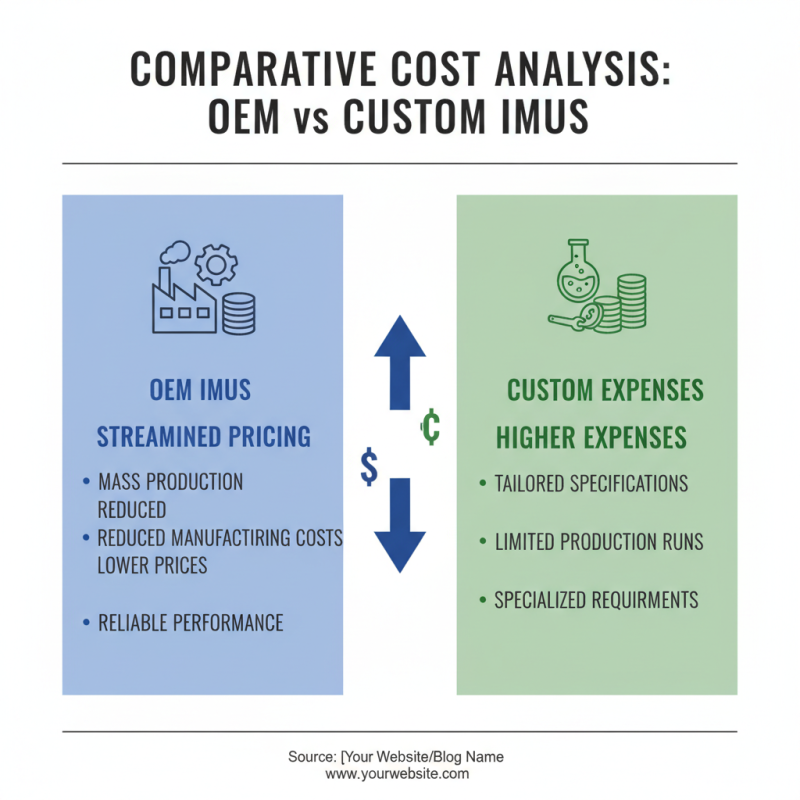
When considering the cost implications of OEM vs. custom Inertial Measurement Units (IMUs), several factors come into play. OEM IMUs generally offer a more streamlined pricing structure. They leverage mass production, which reduces manufacturing costs. This leads to lower prices for consumers who need reliable performance. In contrast, custom IMUs often result in higher expenses due to tailored specifications and limited production runs.
However, the decision is not purely financial. The customization of an IMU can provide unique advantages. Tailored functionalities may enhance performance in specific applications. Yet, this can lead to longer lead times. The complexity of a custom design can introduce potential reliability issues. OEM units, in contrast, offer proven reliability based on extensive testing. Their consistent performance can be a major benefit in critical applications.
Overall, while OEM IMUs often come with lower costs, the decision to choose between OEM and custom should not be made lightly. Each option presents distinct advantages and challenges. In many cases, the long-term cost of failure in a custom solution may outweigh the perceived benefits. Understanding the specific needs of each application will guide the best choice.
Integration of Strapdown IMUs in Autonomous Systems
The integration of Strapdown Inertial Measurement Units (IMUs) in autonomous systems has revolutionized modern applications. These devices deliver precise navigation and positioning data, essential for various industries like automotive, aerospace, and robotics. According to industry reports, the global IMU market is projected to reach
$3 billion by 2025, indicating strong demand for these technologies.
Strapdown IMUs are compact and lightweight. They reduce the need for complex gimbal systems typically found in traditional IMUs. This streamlined design enhances reliability and decreases production costs. A study showed that using strapdown technology can improve data accuracy by 15% in dynamic environments. Such performance is crucial for autonomous vehicles that rely on precise data to navigate safely.
Tips: When implementing Strapdown IMUs, ensure optimal calibration. Inaccurate calibration can lead to significant errors in navigation. Consider using simulation tools to verify system performance before deployment. Additionally, examine environmental factors, like temperature fluctuations, which might affect sensor accuracy. Regular maintenance should not be overlooked; even the best technology requires consistent oversight for peak performance.
Future Trends in Strapdown IMU Development and Usage
The future of Strapdown IMU (Inertial Measurement Unit) technology looks promising as it continues to evolve. As modern applications demand more precise navigation and orientation data, the Strapdown Inertial System plays a crucial role. This system offers advantages like compactness and enhanced reliability. It can be integrated into drones, autonomous vehicles, and various robotics applications. The shift towards miniaturization enhances both performance and cost-effectiveness for manufacturers.
Emerging trends indicate a greater focus on increased accuracy and resilience. Developers are leveraging artificial intelligence to improve data processing speeds. Innovations in sensor technology allow for more robust performance in challenging environments. However, these advancements come with challenges. Calibration procedures must adapt to higher expectations. This creates a space for ongoing refinement and learning within the industry.
Moreover, sustainability is becoming a priority in Strapdown IMU development. Companies are looking for greener manufacturing practices. They aim to reduce waste while maintaining product integrity. This shift reflects a broader industry trend towards environmental responsibility. As the demand for advanced Strapdown Inertial Systems grows, manufacturers must navigate these complexities carefully. The journey will require dedication to quality and innovation.
FAQS
: A strapdown IMU is a device that measures orientation and motion accurately. It uses advanced algorithms for data processing.
They provide precise navigation data, crucial for safety and reliable decision-making during movement.
Strapdown IMUs are compact and lightweight. They eliminate the need for complex gimbals, improving efficiency.
Key industries include aerospace, automotive, and robotics, where accurate motion tracking is essential for operations.
Accuracy can degrade in extreme conditions, and calibration can be complex and time-consuming to manage.
Assess performance metrics and compatibility. Consider noise levels, drift rates, and vendor credibility before purchasing.
Regular maintenance is crucial. Ensure consistent oversight for peak performance, addressing calibration and environmental factors.
Temperature changes can affect sensor accuracy, making it important to monitor environmental conditions when using them.
Better calibration methods and integration processes are necessary to enhance reliability in various applications.
Yes, using simulation tools can verify performance before real-world deployment, minimizing potential errors during operation.
Conclusion
The article discusses the significant advantages of OEM wholesale Strapdown IMUs, highlighting their technology and key features that make them essential in modern applications. Strapdown IMUs utilize advanced algorithms to provide accurate motion sensing and orientation data, making them highly suitable for integration into various autonomous systems. The benefits of OEM manufacturing are emphasized, showcasing cost efficiency and tailored solutions that enhance performance in industries ranging from aerospace to robotics.
Further, the article explores the diverse applications of Strapdown IMUs, alongside a comparative cost analysis between OEM and custom IMUs, indicating a strong preference for OEM due to lower costs and consistent quality. Highlighting future trends, the article predicts advancements in Strapdown IMU technology that will continue to influence the next generation of autonomous systems, underscoring their pivotal role in the evolution of sensor technology.

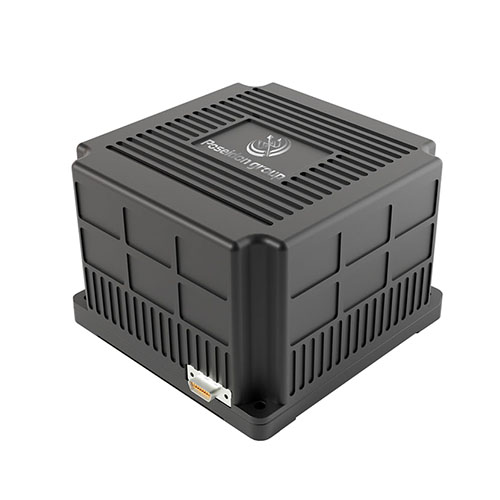 TBSD60
 BSD120
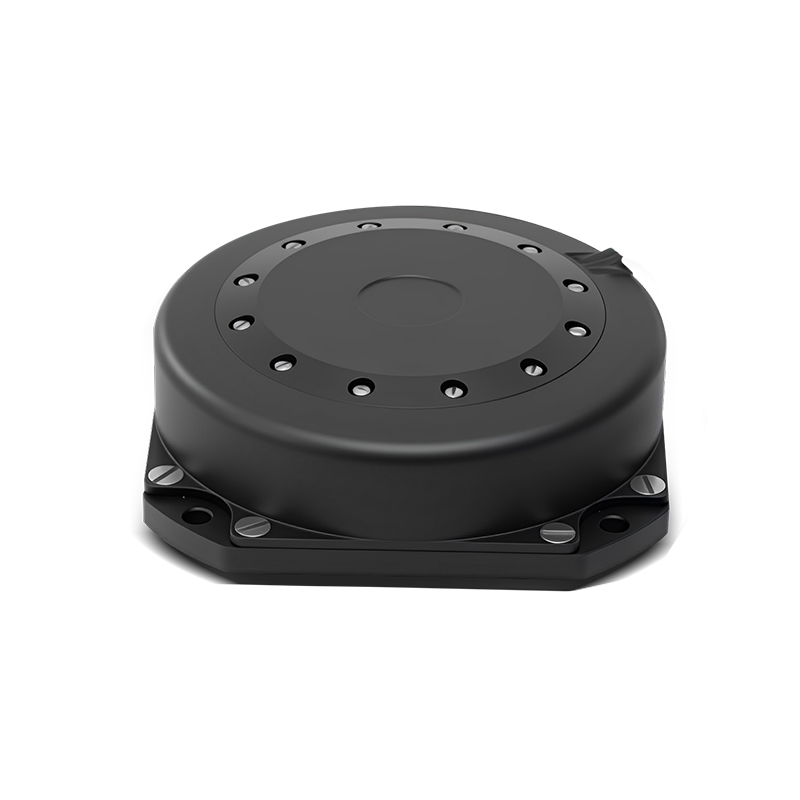 BSD98
BSD98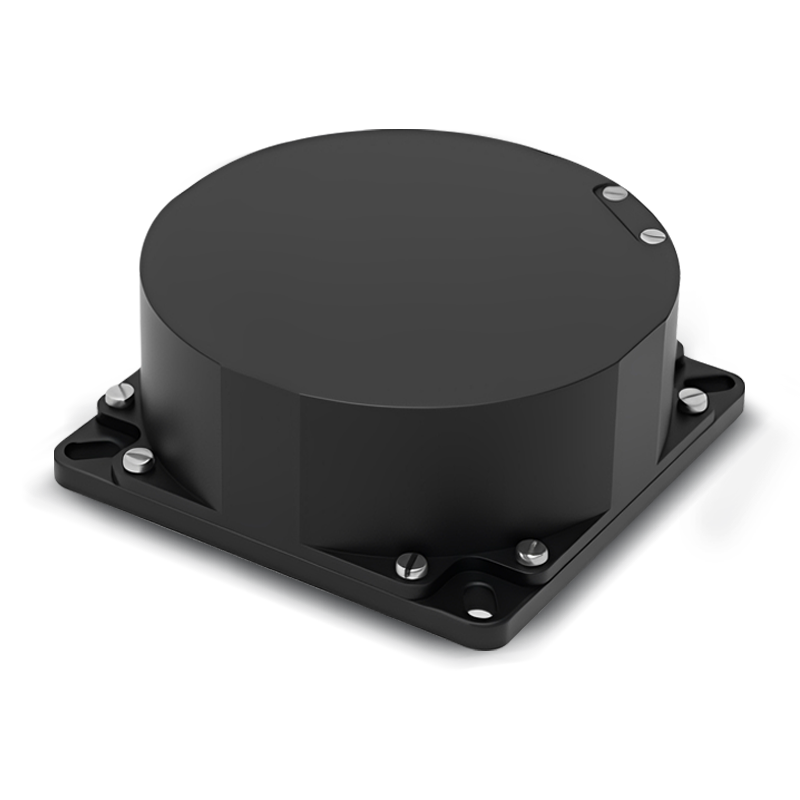 BSD70
BSD70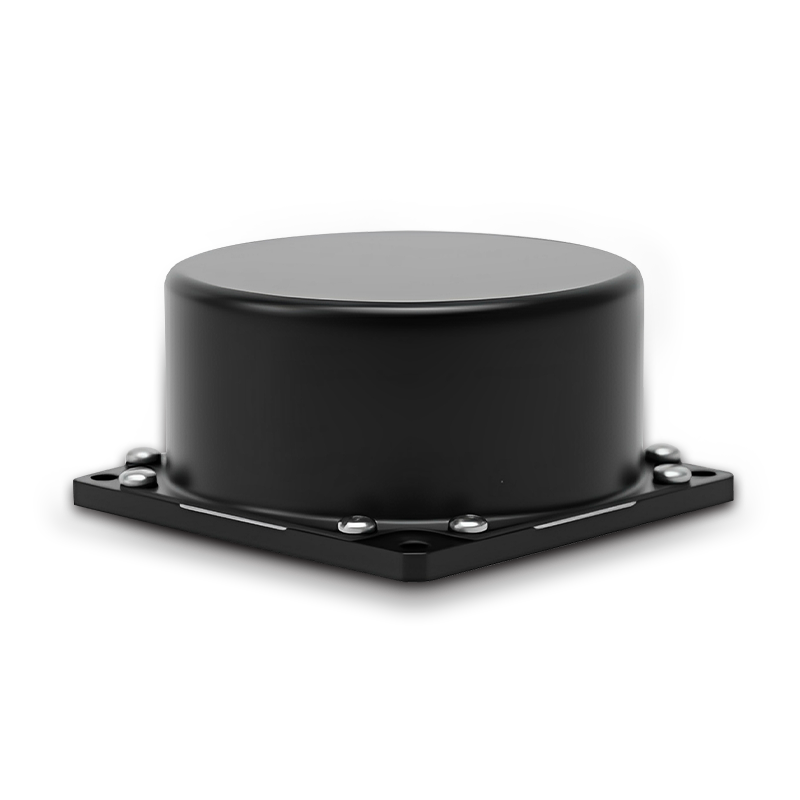 BSD60
BSD60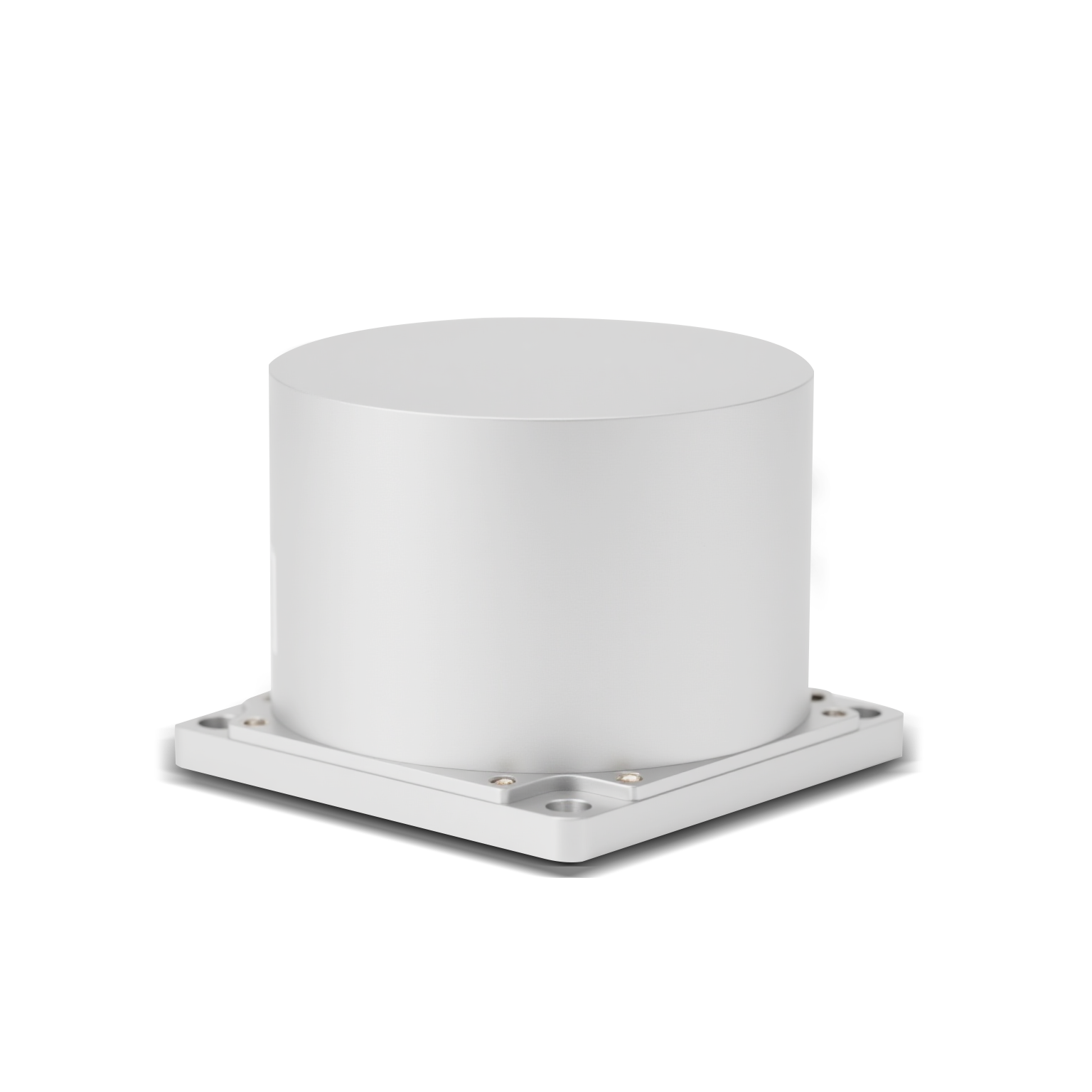 BSD50
BSD50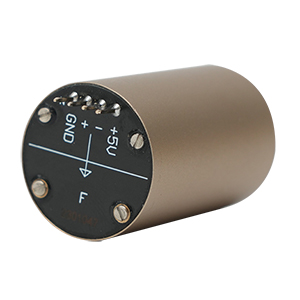 BSD217
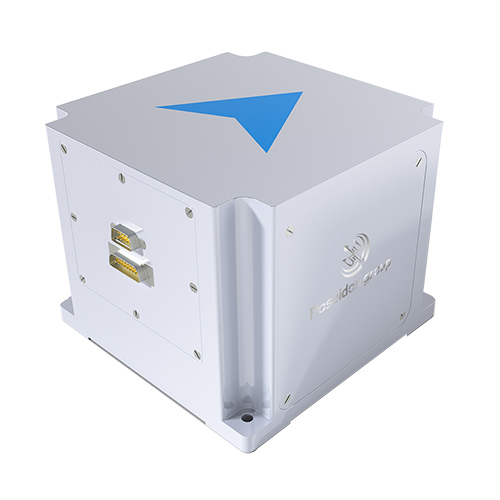 INS1700
 INS970
 INS570
 INS170
 SLA-4B1L1-65
 SLA-8B1L1-110
 SLA-4B1L1-130
 SLA-16B1L1-160
 SLA-8B1L1-165
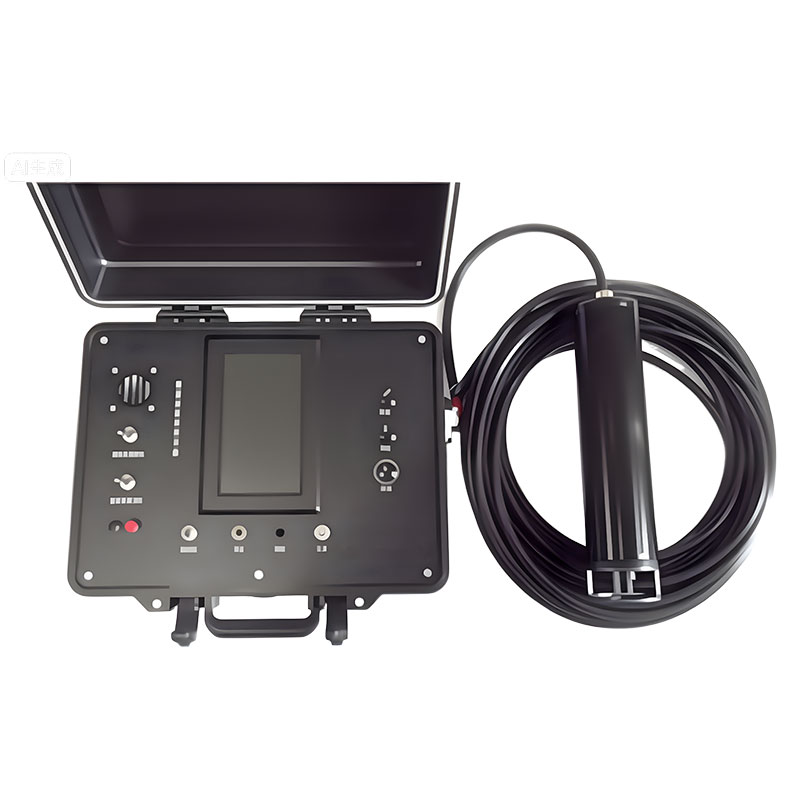 101 Vessel-mounted Positioning
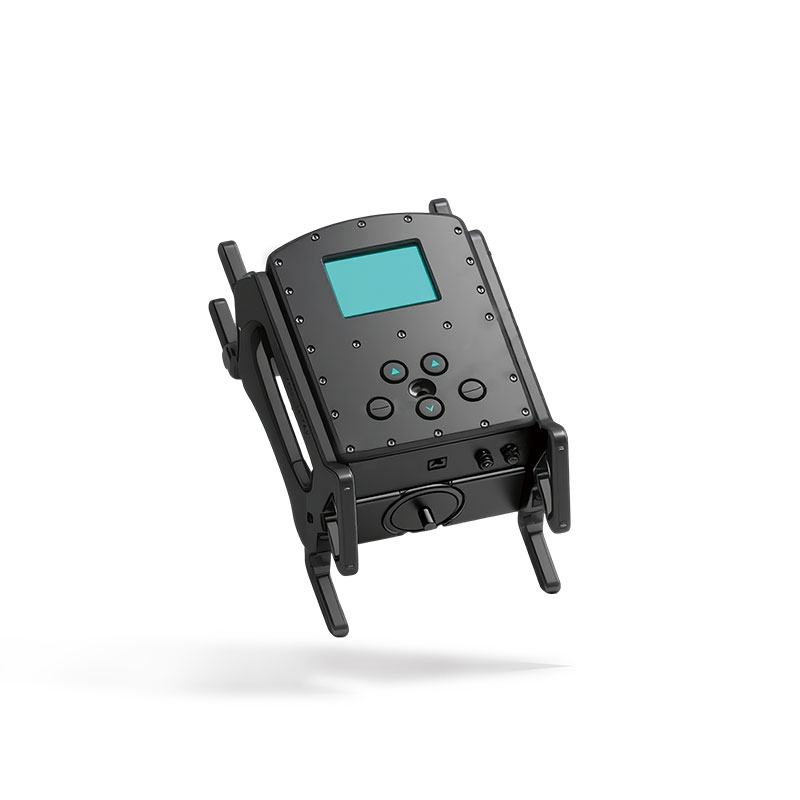
 102 Acoustic Communication
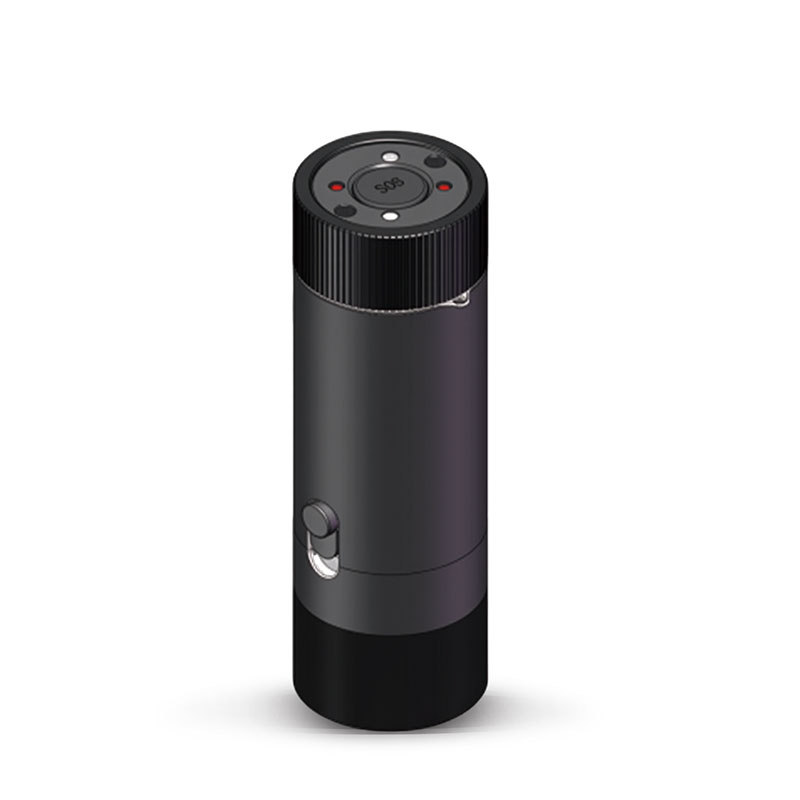 103 Tracking and Locating
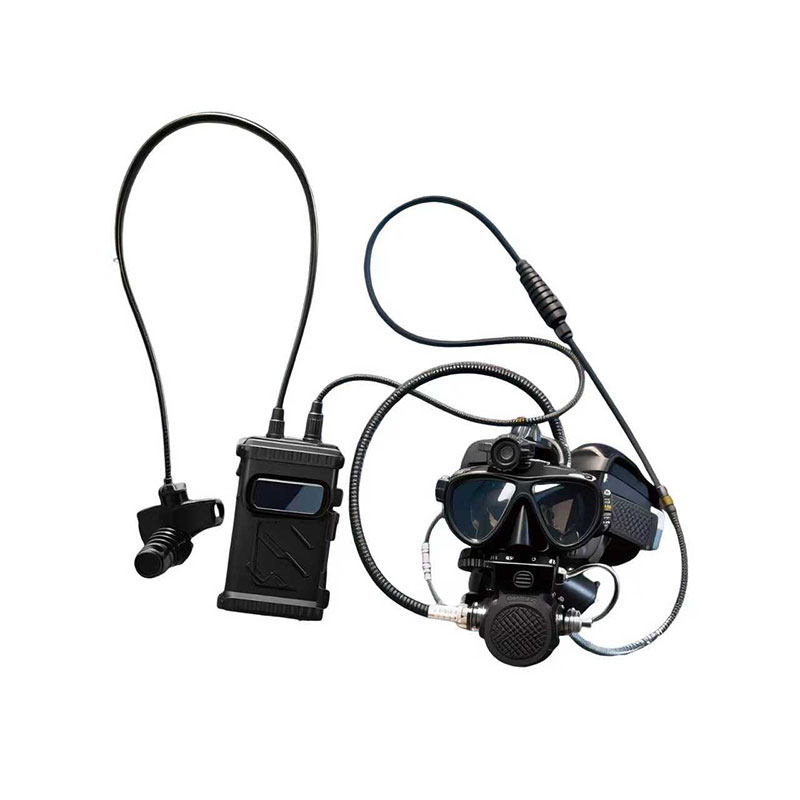
 104 Diver Navigation System
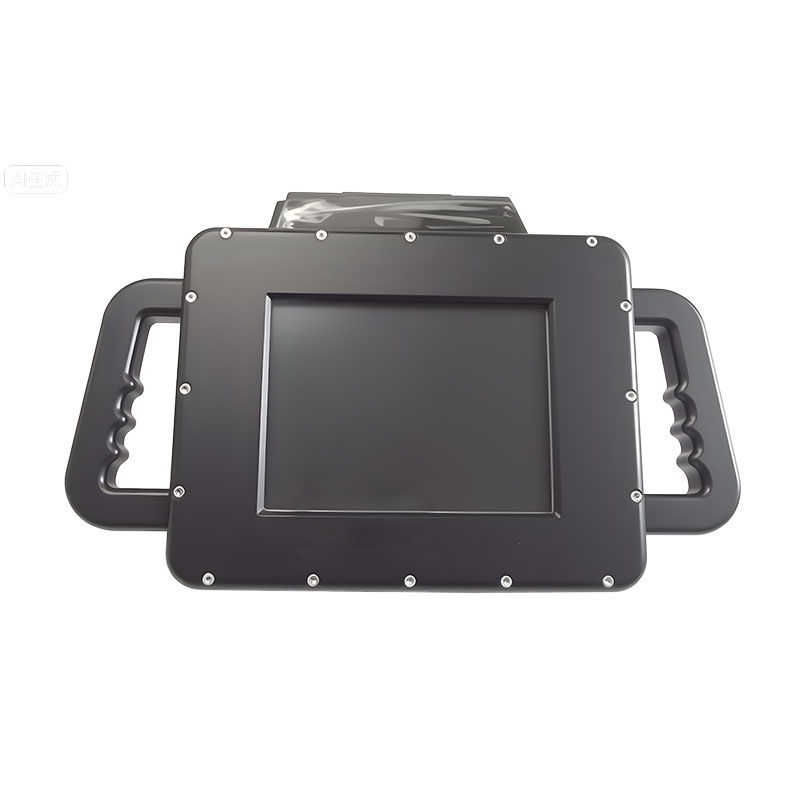 105 Intrusion Detection Sonar
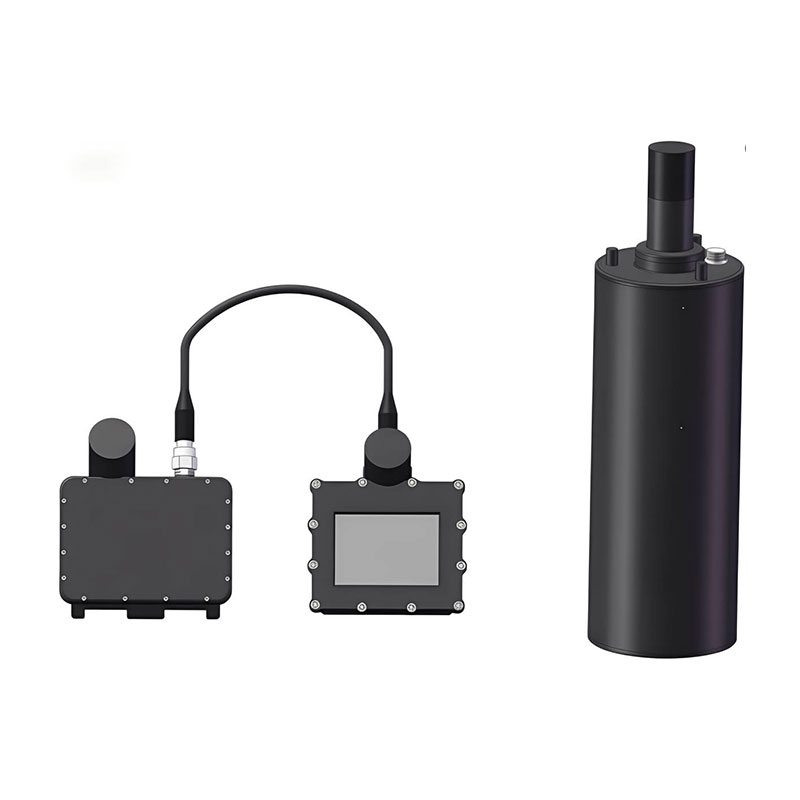 106 Delivery Locator Beacon
 SLLR3000
 SLLR905
 SLLD25
 108IMU
 150M
150M 500MH
500MH 160M
160M 170M
170M SLFC-70
 SLAF280
 MR360
MR360