Lately, the maritime industry has really been going through some big changes. One of the biggest shifts?
Advanced navigation tech that’s making ships safer and
more efficient than ever. You know, stuff like Gyroscope Ship Navigation, especially
with Fiber Optic Gyroscopes (FOG) and Inertial Navigation
Systems (INS), has become pretty much essential for modern seafaring.
According to a report from MarketsandMarkets, the global market for these gyroscope-based navigation systems
is expected to jump from about $4.8 billion in 2020 to around
$10.3 billion by 2025. That’s a compound annual growth rate of
roughly 16.6%! It kind of shows just how much we’re relying on these high-tech systems to keep
operations smooth, especially with all the challenges ships face nowadays.
At Poseidon International Group, based in Hong Kong, we’ve been around since
2013, working on really innovative navigation solutions — we do everything from research and design
to manufacturing. We totally get how important it is to keep improving gyroscope navigation for ships.
Our goal? To help the industry reach new levels of
reliability and performance
with cutting-edge tech and a dedication to excellence.
Understanding Gyroscope Technology for Enhanced Maritime Navigation
Gyroscope tech has really changed the game in maritime navigation, making guiding ships way more accurate and reliable. You can especially see this with the rise of fiber-optic gyroscopes, or FOGs, which use light to sense changes in direction. The worldwide market for these FOGs is expected to grow quite a bit—like a 4.9% CAGR until 2034—which shows just how much there's a push for sharper, more precise navigation tools at sea.
At the same time, there are some pretty cool projects happening, like the US Navy’s work on GPS-free navigation systems. These systems rely heavily on FOG technology to help ships and submarines stay on course during tricky missions, really pushing past the limits of old-school navigation. Plus, innovations like atom interferometry are boosting the sensitivity and accuracy of gyroscopic measurements, making inertial navigation systems even better for all kinds of marine use. As all these tech advancements keep rolling out, they’re set to make life easier and safer for surface ships and submarines alike, leading us into a new era of maritime navigation—pretty exciting stuff, honestly.
Key Factors Influencing Gyroscopic Stability and Performance
Gyroscopic stability is pretty much a cornerstone when it comes to smooth sailing and good ship navigation. It’s a big deal because it really influences how well a vessel can handle all kinds of stuff out at sea—think tricky winds, crashing waves, or just navigating through tricky waters. Some of the main things that affect how steady your gyroscope stays include how fast the ship isgo ing, the design of the gyroscope itself, and things like the weather and sea conditions. Interestingly, a report from the International Maritime Organization pointed out that almost 40% of maritime accidents are linked to navigation mistakes, often caused by not having enough control over gyroscopic systems. Yikes, right?
If you’re looking to get better at using gyroscopic navigation on your ship, here are a few tips that might help. First off, make sure that your gyroscope is properly calibrated—this seems obvious, but it’s easy to overlook. Regular check-ups and maintenance really keep things running smoothly. A well-tuned gyroscope makes a huge difference in how accurately it responds to changes, especially with environmental stuff going on around you. Next, try to keep the weight evenly spread out on your ship. When the load is balanced, external forces like wind and waves won’t throw things off as much, letting your gyroscope do its job better—some estimates even suggest this can bump up your navigation accuracy by about 25%. Lastly, think about upgrading to newer, smarter gyroscopic tech. Modern models often come with algorithms that adapt and stabilize better. According to research from the Marine Technology Society, ships using these advanced systems tend to have up to 30% fewer navigation errors. Honestly, keeping up with these modern solutions can really make a difference in navigating today’s complex maritime environment.
Gyroscope Ship Navigation Efficiency
This chart illustrates the optimal efficiency factors for gyroscope ship navigation, highlighting the performance metrics influenced by stability factors. Key parameters include gyroscopic torque, damping ratio, and roll stability.
Best Practices for Integrating Gyroscopes into Ship Navigation Systems
When you're incorporating gyroscopes into a ship's navigation system, there are a few key things to keep in mind to make sure everything runs smoothly and accurately. First off, picking the right kind of gyroscope is super important. You might go with mechanical, optical, or MEMS gyroscopes—each has its own pros and cons when it comes to precision, stability, and how well they handle different environmental factors. It really helps to look at the specific conditions your vessel will face, so you can choose a gyroscope that can stand up to the maritime environment without a hitch.
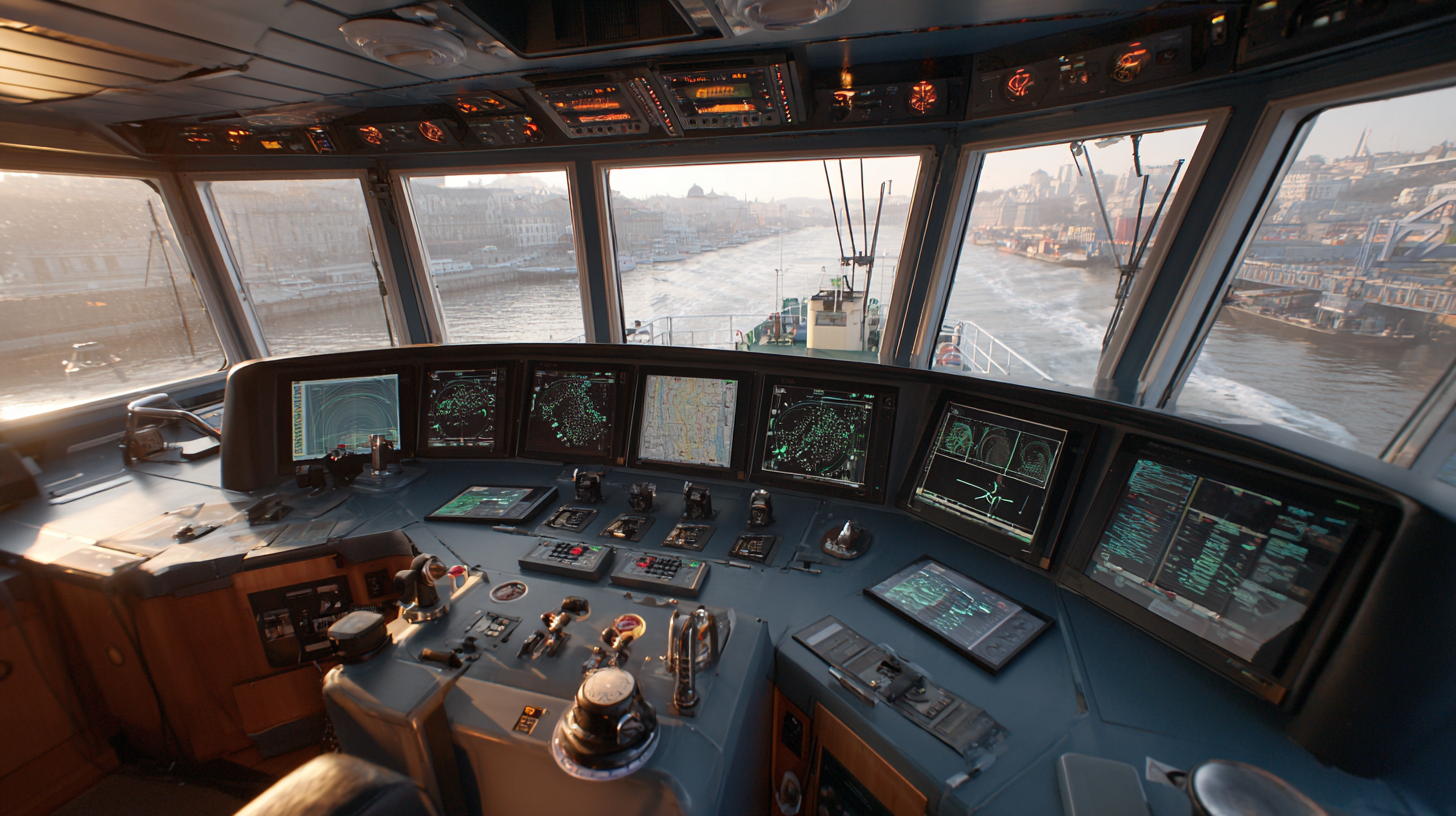
Also, don’t forget about regular calibration and maintenance—that stuff’s crucial. Routine checks can catch issues like drift or misalignment early on, which, if left unchecked, could mess up your navigation. Using good software that blends gyroscopic data with other tools like GPS and compass readings can give you a much clearer picture of where you are and where you're headed. And making sure your crew knows how to use these systems effectively? That’s just as important. Training can really boost operational efficiency, making your sea voyages safer and more reliable overall.
Routine Maintenance Tips to Ensure Gyroscope Precision and Reliability
Doing regular maintenance on your ship’s gyroscope systems is honestly a game-changer when it comes to keeping navigation way on point. Checking the alignment and calibration from time to time helps dodge that annoying drift — you know, the little quirks that can throw off your accuracy big time. It’s a smart move to set up a maintenance routine with scheduled inspections, so you can catch any wear and tear early on before it turns into a bigger, more expensive problem. Trust me, staying ahead of the game like this saves you a bunch of hassle and keeps everything running smoothly without unexpected hiccups.
Oh, and don’t forget about keeping the gyroscope clean and dry! Dust and moisture aren’t friends of these delicate instruments. Putting in protective covers or enclosures can really make a difference, shielding them from the rough stuff out on the open sea. Also, double-check that all your electrical connections are tight and free from corrosion — it might seem small, but it makes a real impact on reliability. Basically, sticking to these simple maintenance habits helps your crew keep the navigation systems in top shape so your vessel can cruise confidently and perform at its best out there."
7 Essential Tips for Optimal Gyroscope Ship Navigation Efficiency
| Tip No. |
Maintenance Tip |
Frequency |
Benefits |
| 1 |
Regularly Check Calibration |
Monthly |
Ensures accuracy in navigation. |
| 2 |
Inspect Mounting Hardware |
Quarterly |
Prevents vibrations affecting performance. |
| 3 |
Clean Gyroscope Sensors |
Monthly |
Ensures proper function without interference. |
| 4 |
Update Software Regularly |
As needed |
Enhances functionality and security. |
| 5 |
Inspect Power Supply Connections |
Monthly |
Ensures consistent power delivery. |
| 6 |
Perform Dry Run Tests |
Bi-annually |
Verifies system is ready for operation. |
| 7 |
Review and Update Maintenance Log |
Ongoing |
Keeps track of maintenance activities. |
Advanced Techniques for Troubleshooting Common Gyroscope Issues
When you're working with gyroscopes, troubleshooting common problems is pretty important if you want things to run smoothly. These systems—like the ones made by Poseidon International Group—depend on super accurate readings of orientation and movement. So, if you notice things like drift or signal hiccups, it’s a good idea to systematically check each part of the system. Doing regular calibration and taking a look at the environment can often prevent small issues from turning into big navigation headaches.
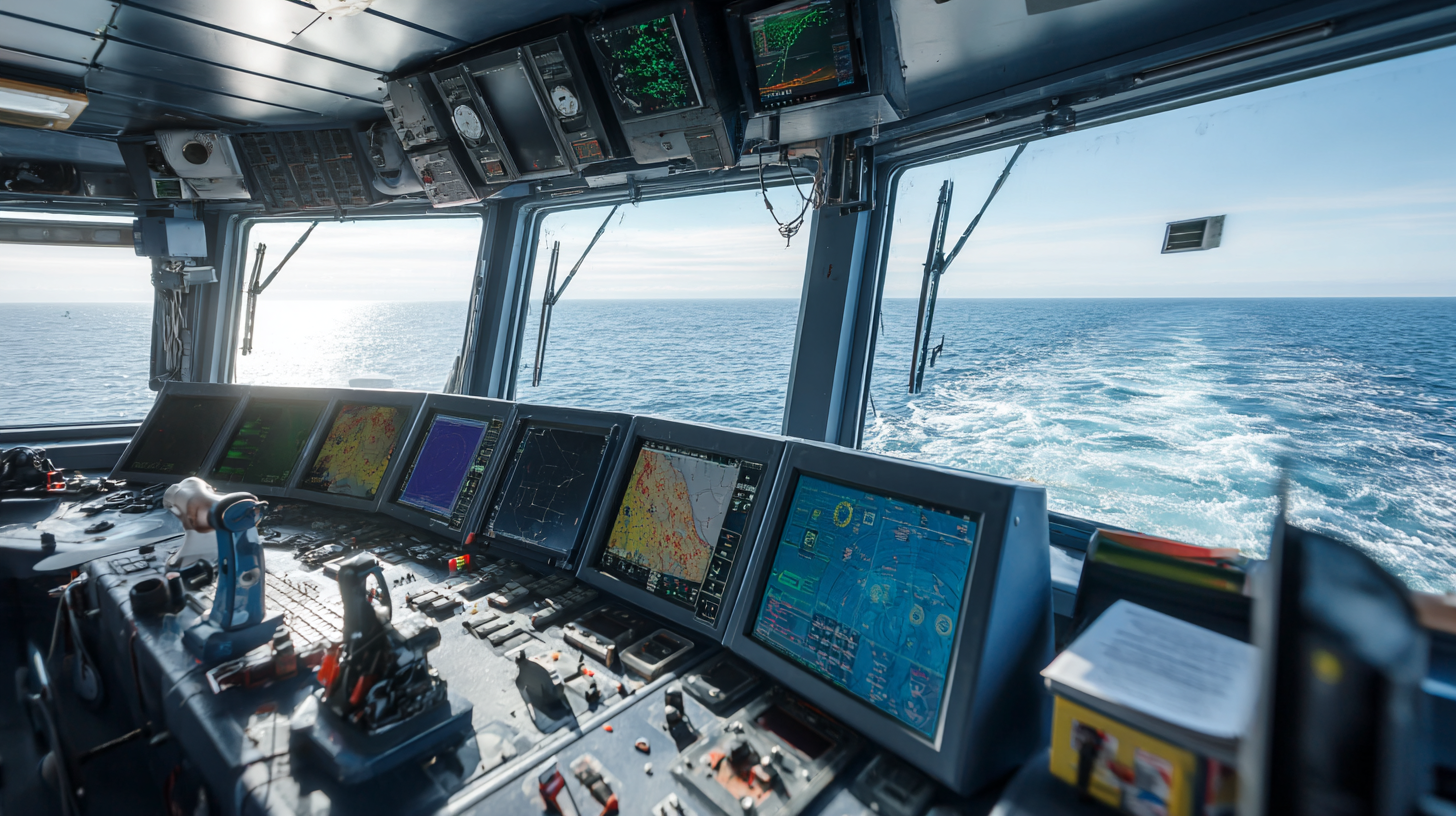
Using newer, smarter techniques to identify and fix gyroscope problems can really boost how well inertial navigation systems perform. Poseidon, which started back in 2013, pushes the envelope with research and design in fiber optic gyroscopes, making sure their gear can handle these sorts of challenges. For example, running software diagnostics can help catch errors early on, so they don’t mess up navigation later. If you take the time to understand how your gyroscope works and keep up with routine checks, vessel operators can improve their ship’s navigation way more and cut down on unnecessary delays or downtime.
Future Trends in Gyroscopic Navigation Technology for Ships
Looking ahead, the future of gyroscopic navigation for ships is really promising, with some exciting advancements on the horizon. There’s definitely a growing need for more precise and efficient ways to navigate at sea, and it’s driving a lot of innovation. For example, a report from Mordor Intelligence suggests that the global market for navigation systems could hit around $111.5 billion by 2026, and gyroscopic tech is going to be a big part of that. These improved instruments are being designed to give real-time info on a vessel’s orientation and movement — which is super crucial for staying on the right course and maintaining stability, especially when the weather gets rough out there.
And it doesn’t stop at just better gadgets. The incorporation of artificial intelligence (AI) into these systems is really going to change the game. AI can crunch data from gyroscopes and other sensors, helping to predict potential hazards before they become real problems and even making tiny adjustments on the fly. A study from ResearchAndMarkets predicts that by 2025, adding AI to navigation tools could boost route efficiency by up to 30%. That means safer journeys and lower operational costs for shipping companies. As these trends develop, it’s pretty important for maritime folks to stay in the loop with the latest tech so they’re always ahead of the curve with the best navigation tools around.
FAQS
: The types of gyroscopes include mechanical, optical, and microelectromechanical systems (MEMS) gyroscopes, each offering varying levels of precision, stability, and environmental resilience.
Proper calibration is vital for optimal performance as it helps identify drift and misalignment issues that could lead to navigation errors.
Software can integrate gyroscopic data with other navigational instruments, such as GPS and compass systems, providing a comprehensive view of the vessel's position and course.
Routine maintenance practices include regular checks on alignment and calibration, establishing a maintenance schedule, and keeping the gyroscope free from dust and moisture.
Dust and moisture can negatively impact gyroscope performance, so implementing protective covers or enclosures is essential to shield these instruments from such environmental factors.
The global navigation systems market is projected to reach $111.54 billion by 2026, with gyroscopic technology playing a key role in this growth.
AI is expected to enhance gyroscopic navigation by analyzing data from sensors to predict navigational hazards and make instantaneous adjustments, potentially improving routing efficiency by up to 30%.
Training personnel in the effective use of integrated systems is crucial for enhancing operational efficiency and ensuring safer navigation at sea.

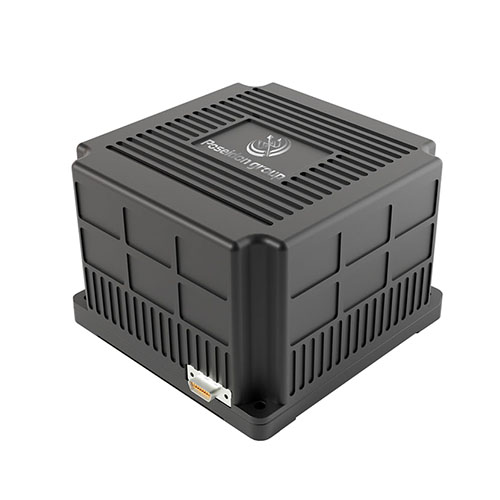 TBSD60
 BSD120
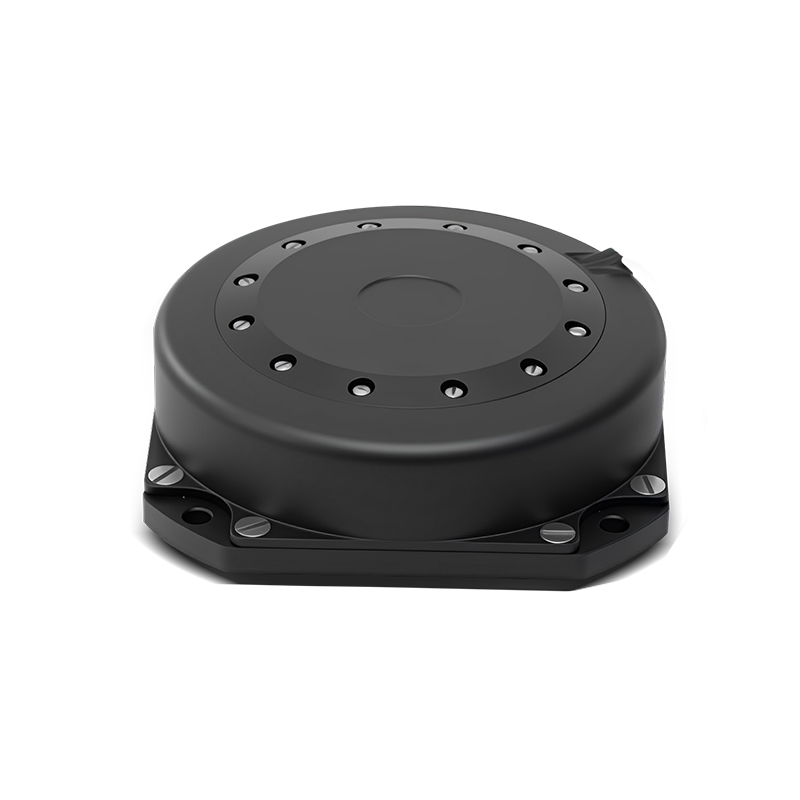 BSD98
BSD98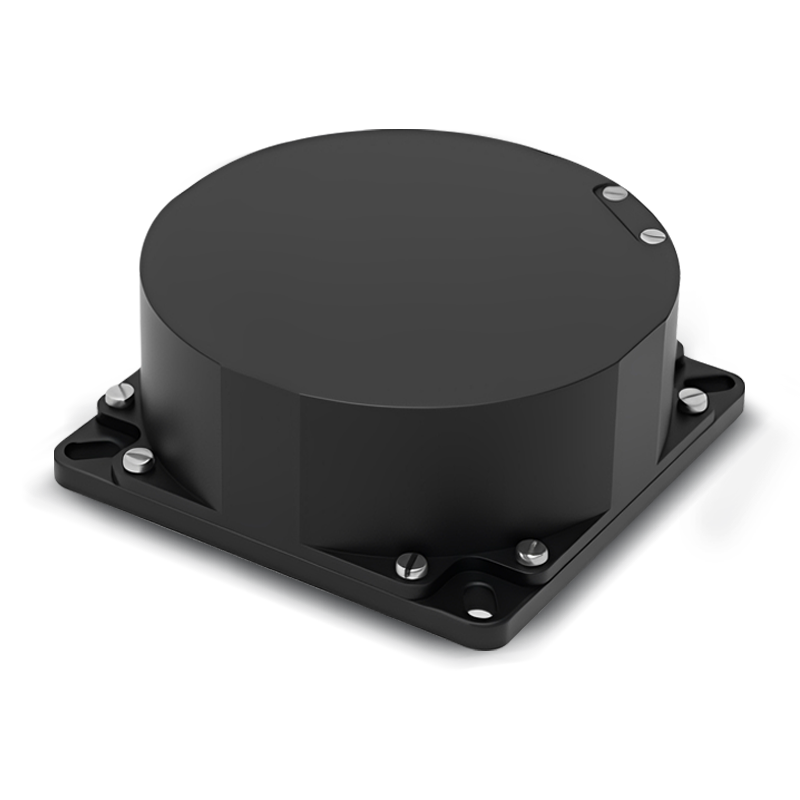 BSD70
BSD70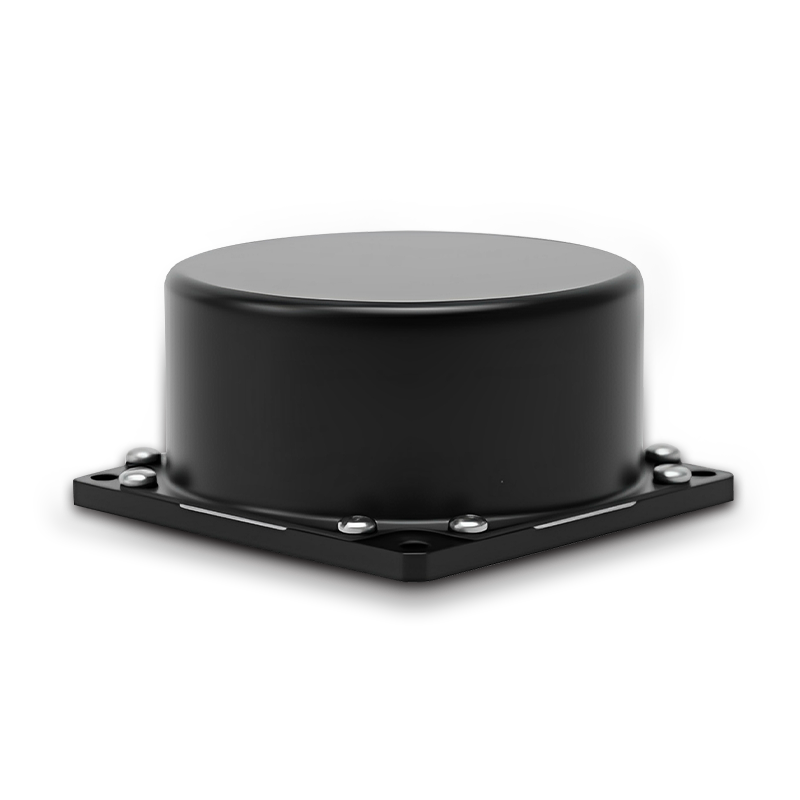 BSD60
BSD60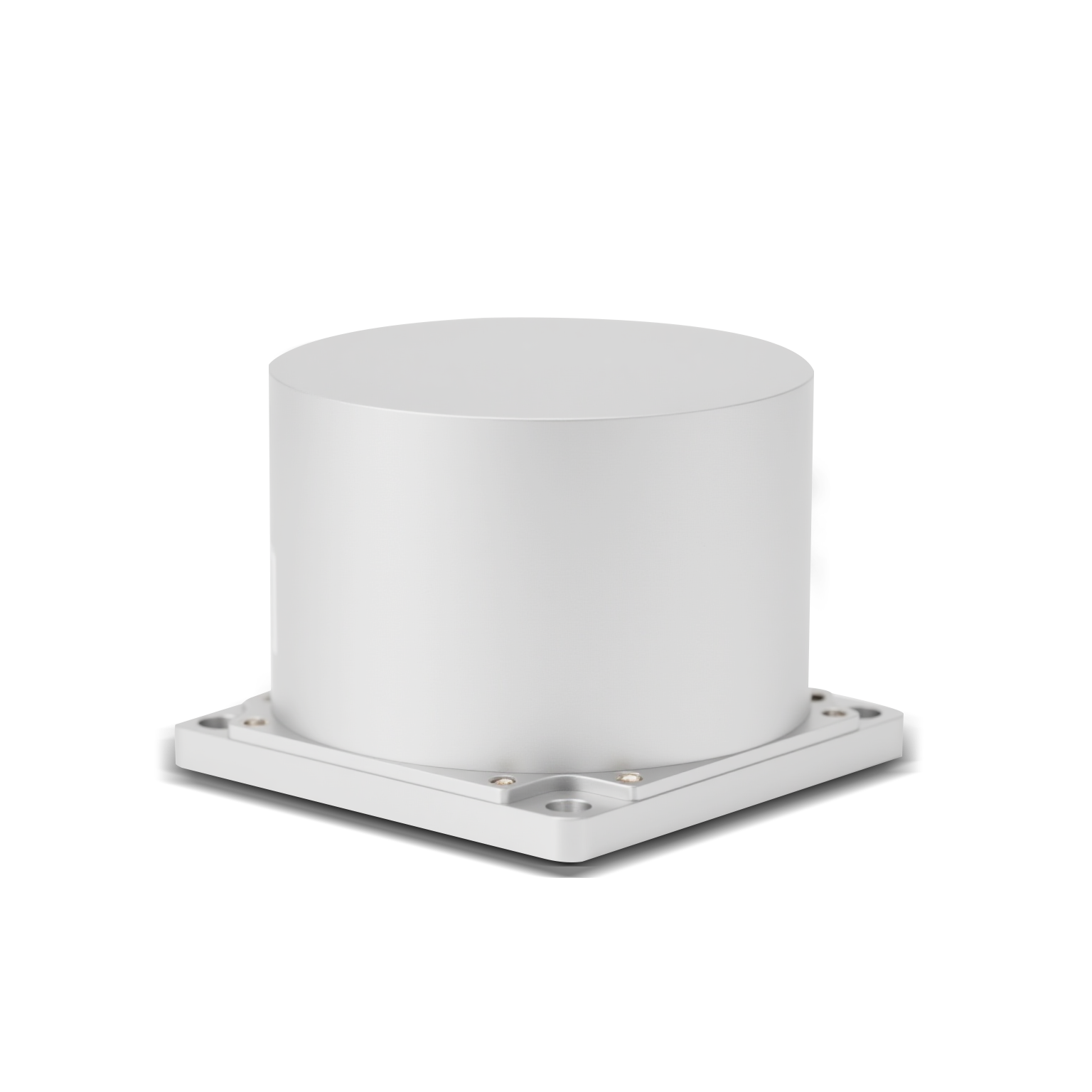 BSD50
BSD50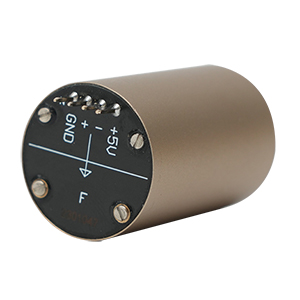 BSD217
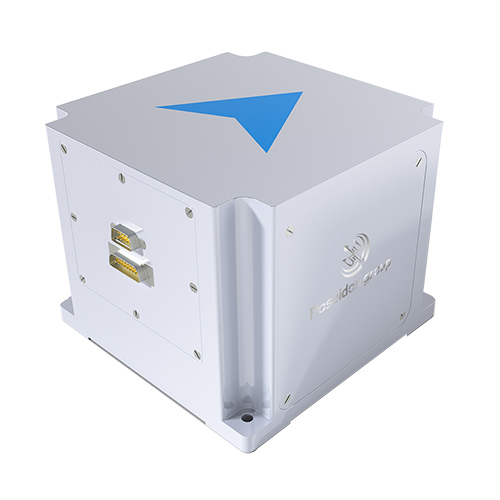 INS1700
 INS970
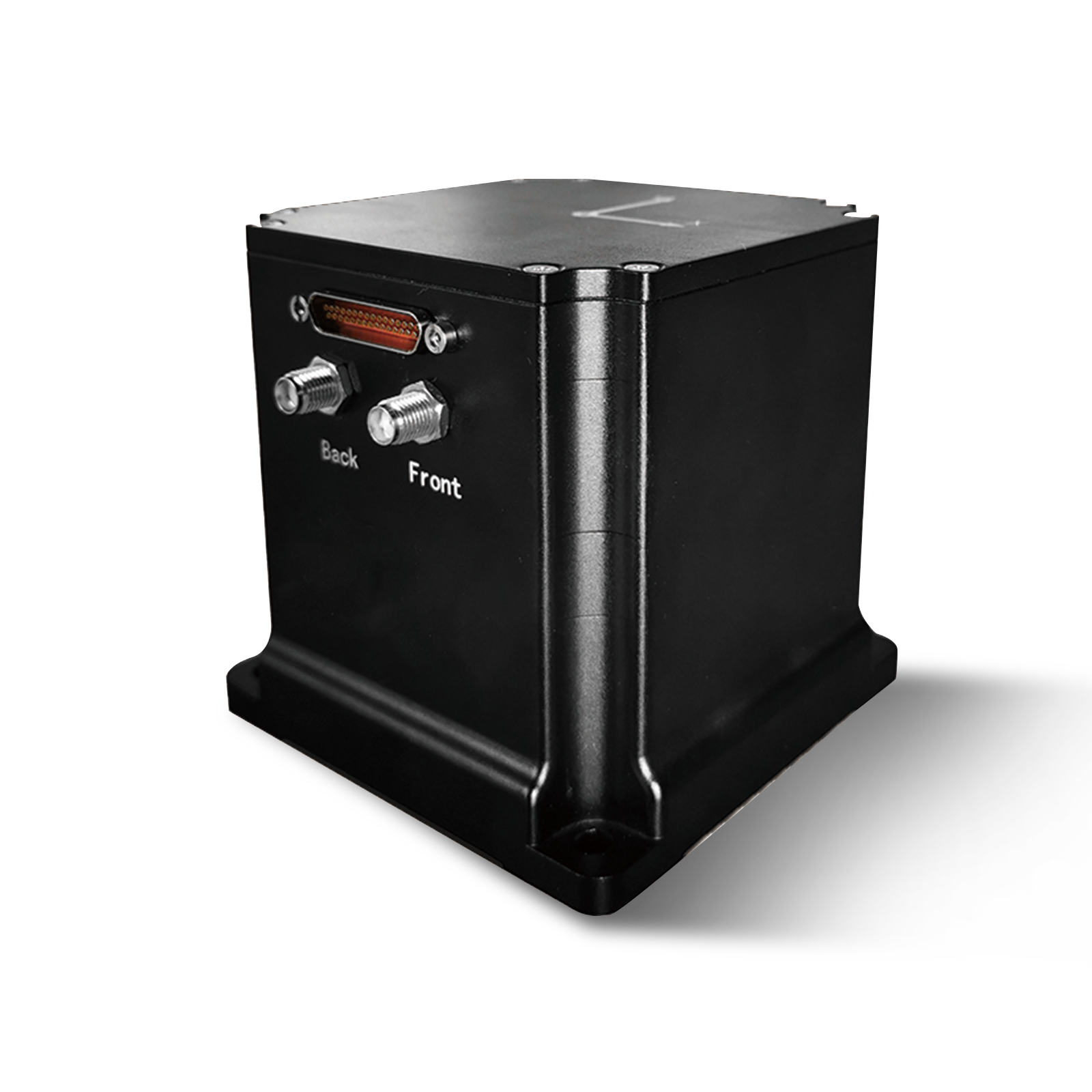 INS570
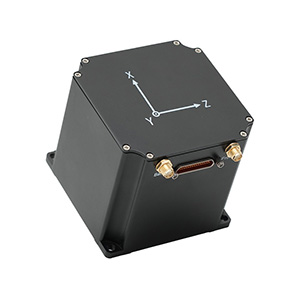 INS170
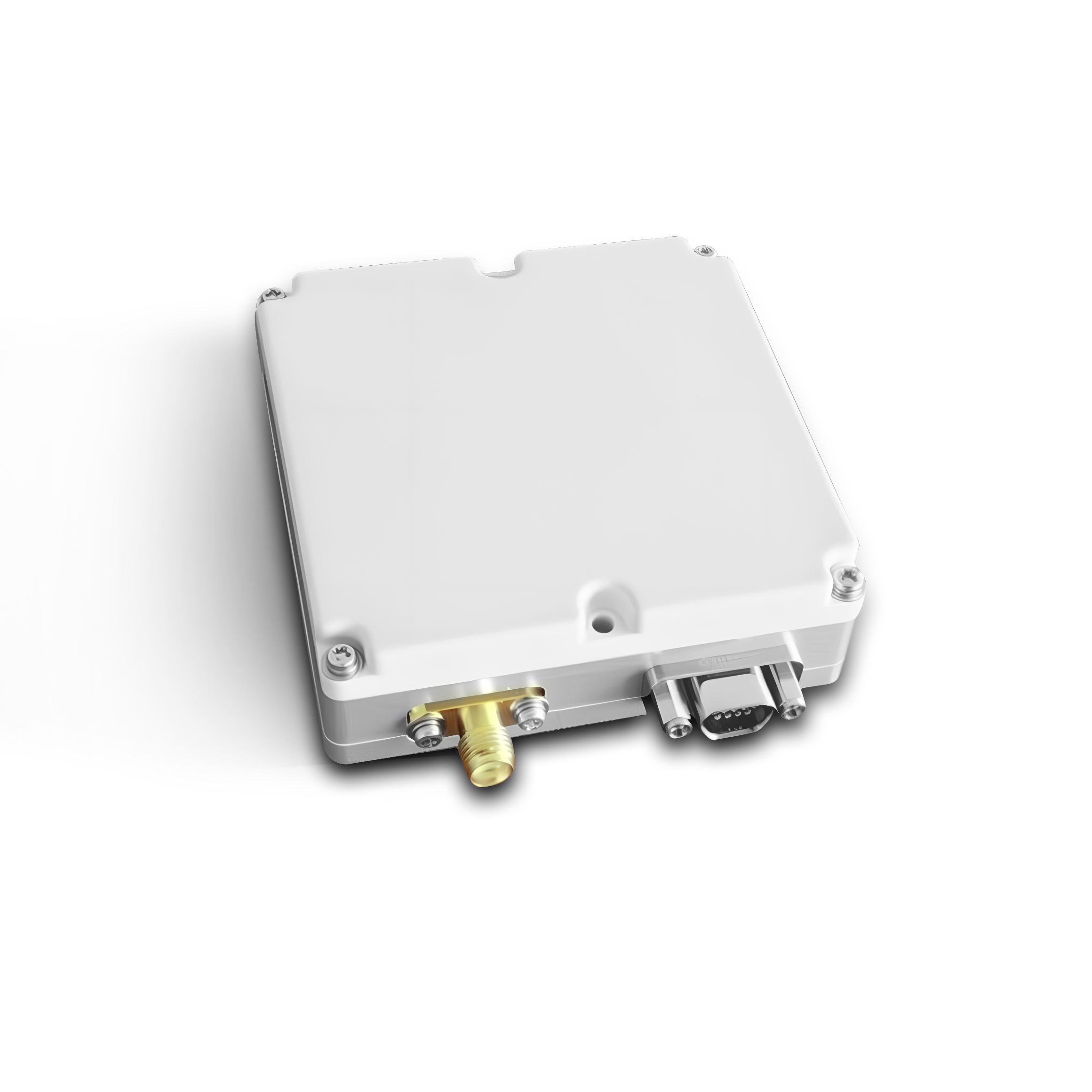 SLA-4B1L1-65
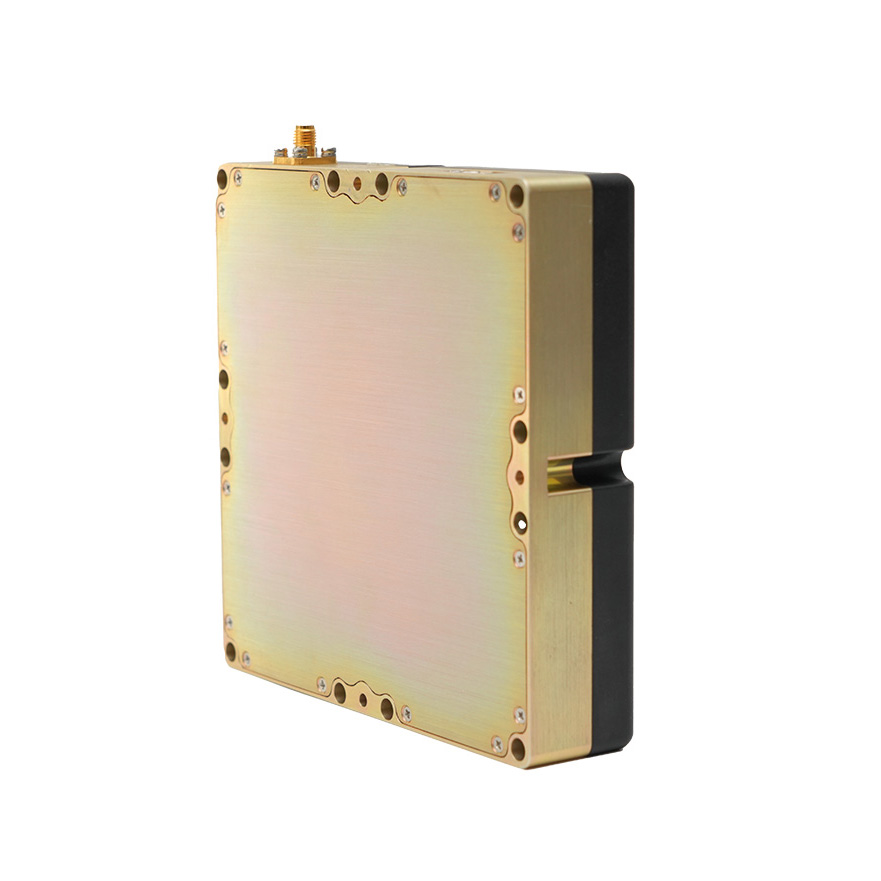 SLA-4B1L1-130
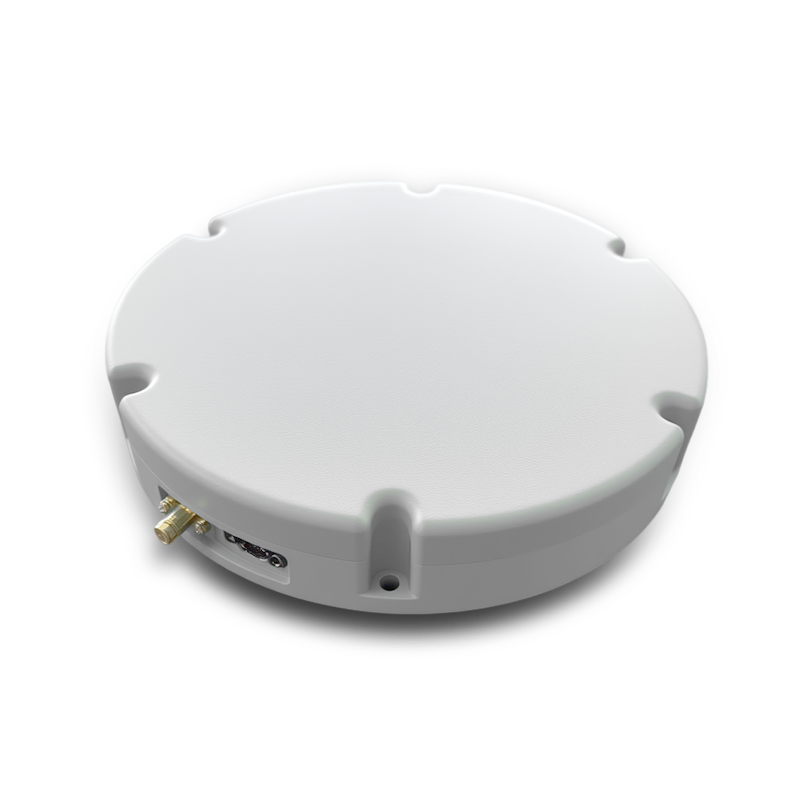 SLA-8B1L1-165
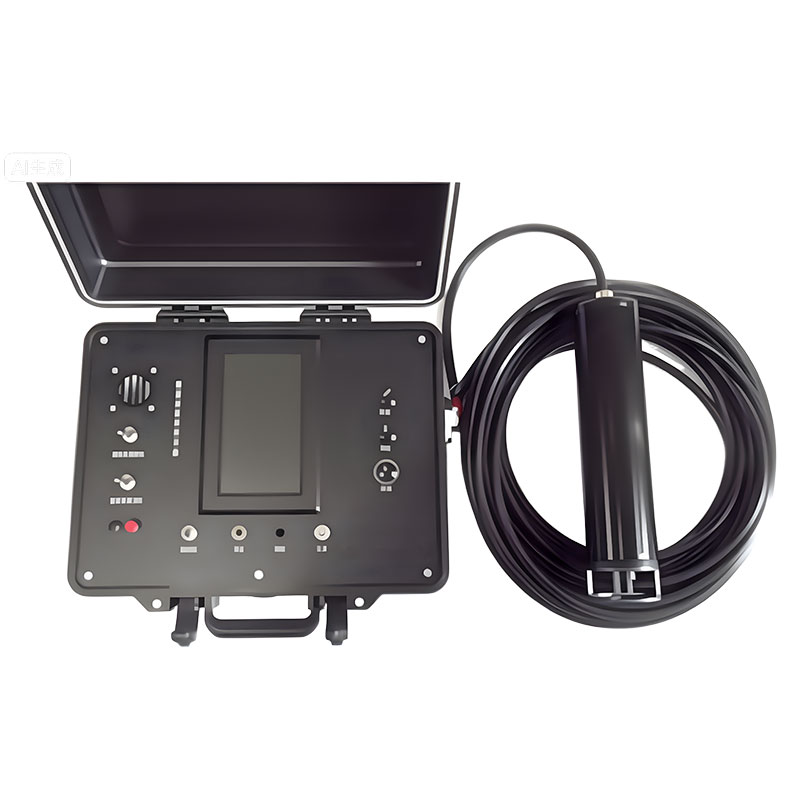 DIVER 101
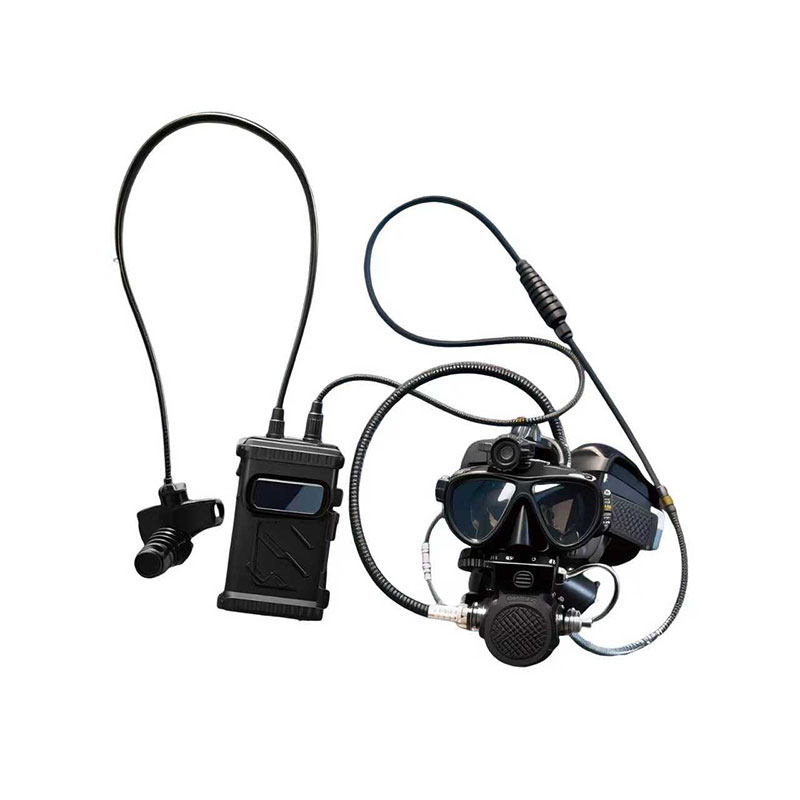 DIVER 102
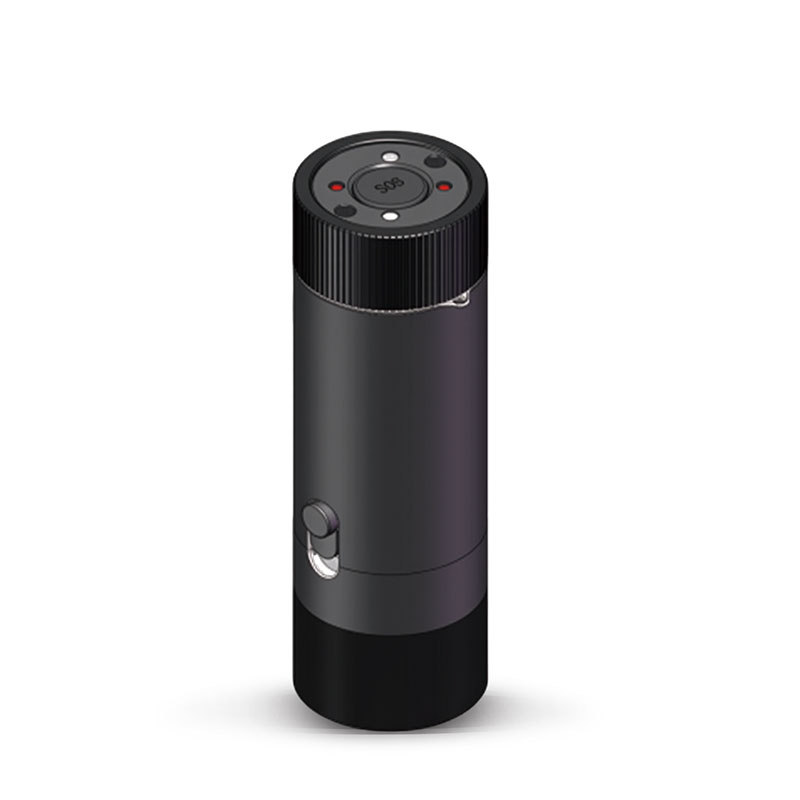 DIVER 103
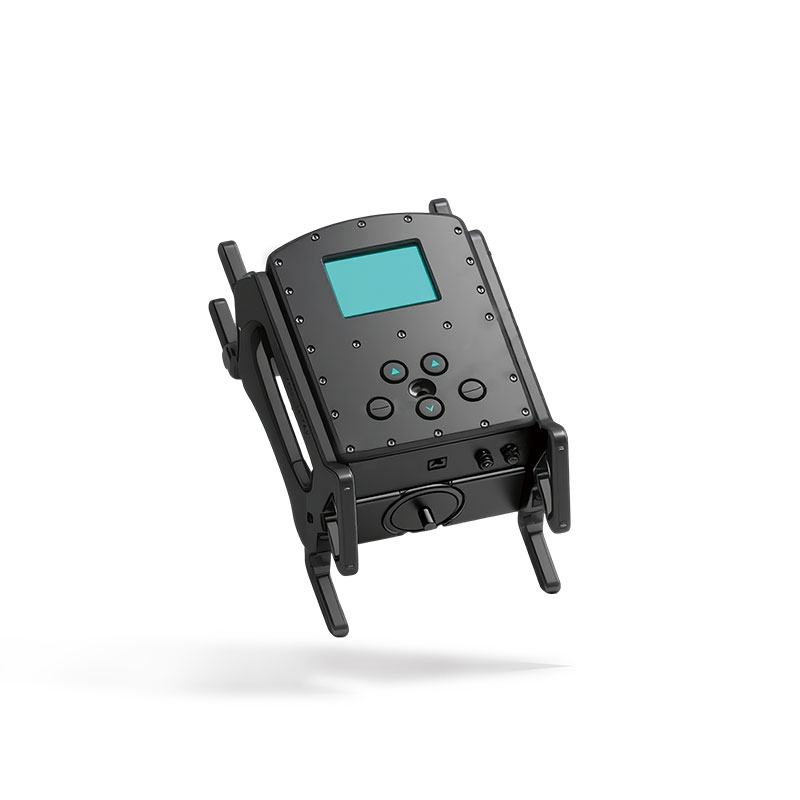 DIVER 104
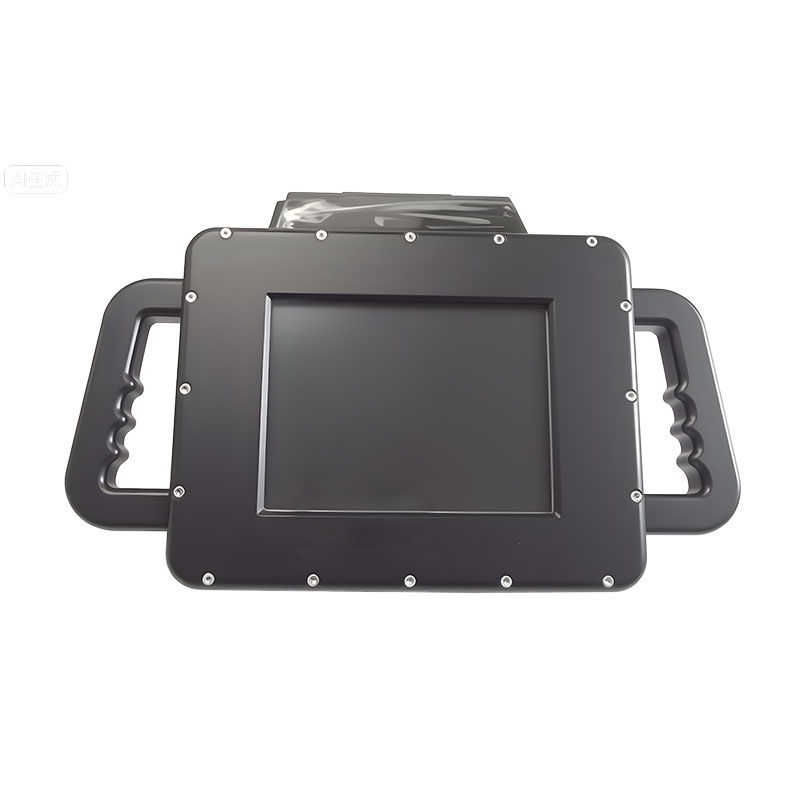 DIVER 105
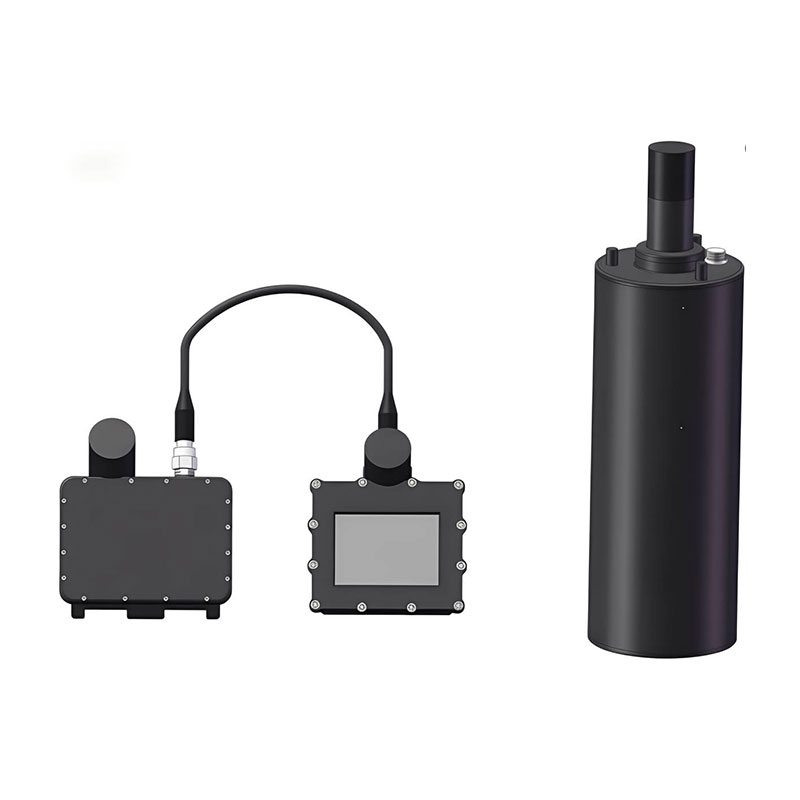 DIVER 106
 SLLR3000
 SLLR905
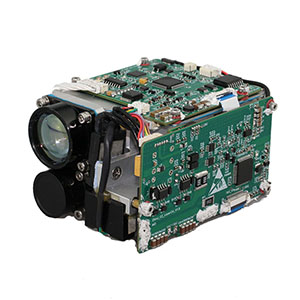 SLLD25
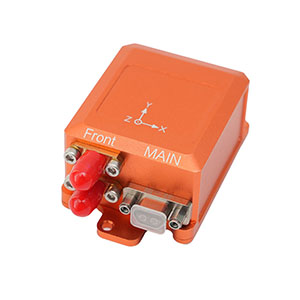 160M
160M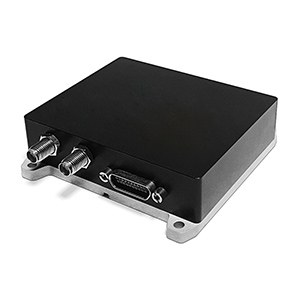 170M
170M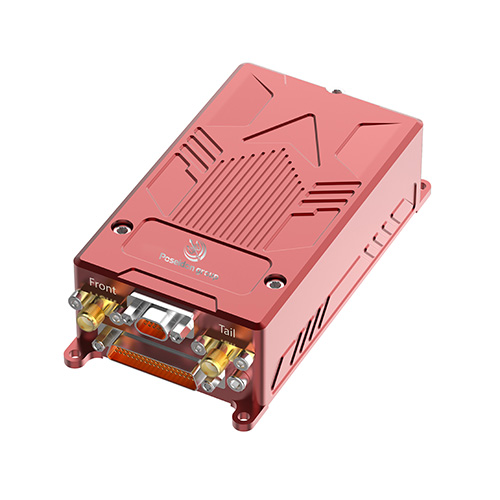 SLFC-70
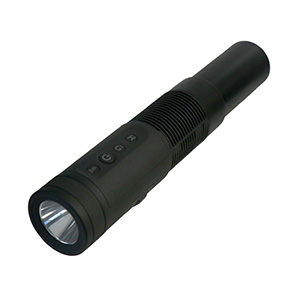 SLAF280
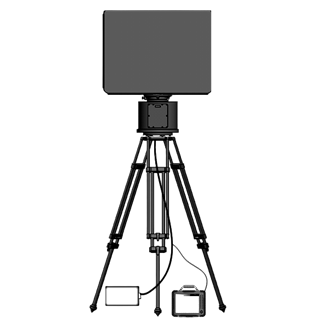 MR360
MR360